

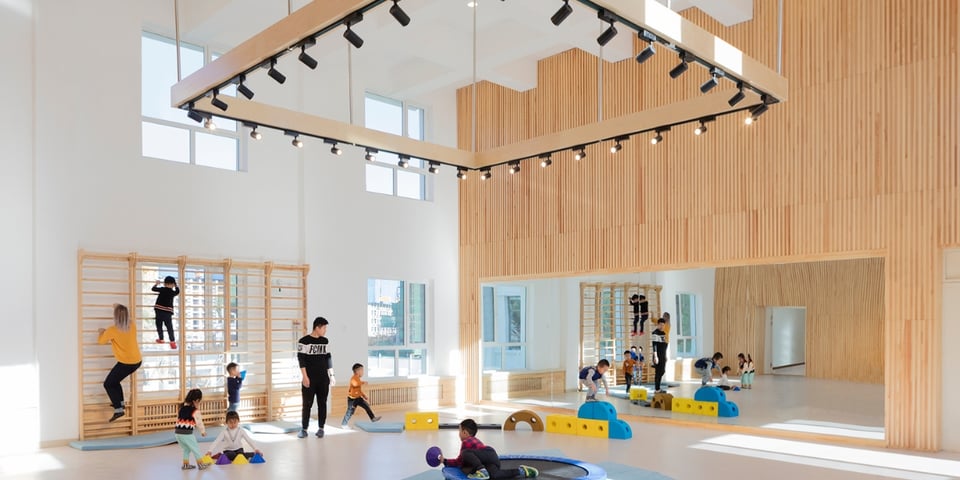
Opening or running an international kindergarten is a deeply rewarding and meaningful venture. It's about creating a space where young children can have the best possible childhood and development. As we look toward 2026, the landscape of early education is evolving. The key to success is no longer just about providing a safe space for play; it's about building a holistic, globally-minded learning environment.
For education leaders and school owners, staying ahead means understanding the shifts in parent expectations, technology, and educational philosophy. This guide will walk you through the essential success factors for an international kindergarten in 2026. We’ll explore what it takes to not only attract families but to create a thriving educational community that prepares children for the future.
Embrace a global, play-based curriculum
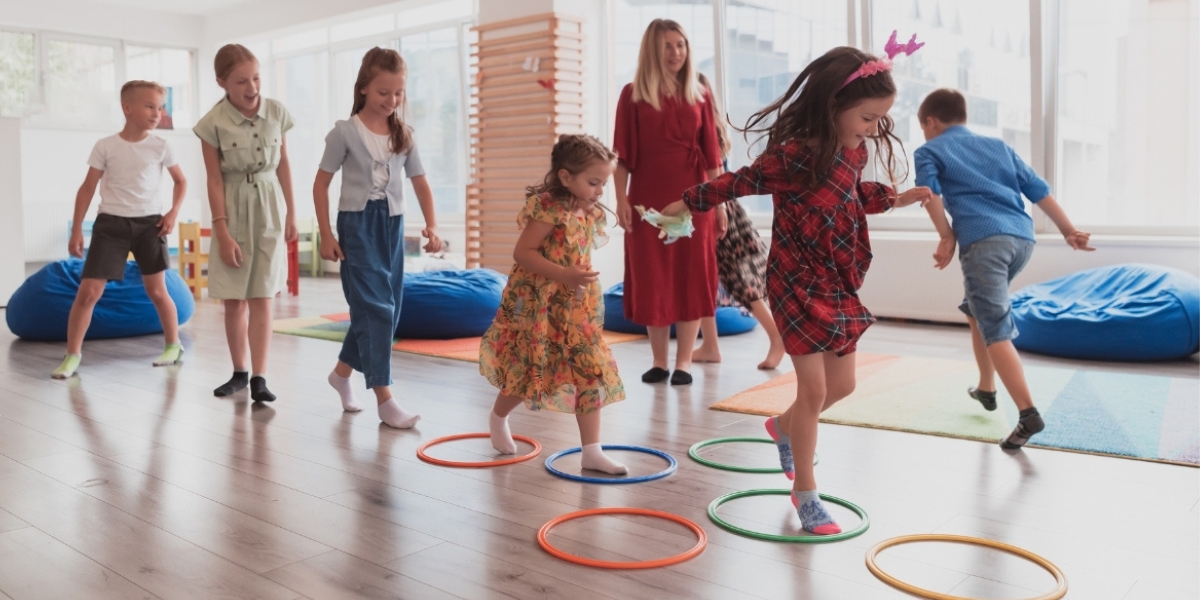 unplashed image.
In an increasingly connected world, parents are looking for kindergartens that offer more than just local perspectives. An international curriculum that embraces global awareness and cultivates future-ready skills is becoming a must-have. By 2026, the most successful kindergartens will be those that integrate global themes, stories, and cultural celebrations into their daily activities.
However, a global focus should not come at the expense of proven pedagogical methods. A play-based approach remains the gold standard in early childhood education. It allows children to learn naturally through exploration, curiosity, and interaction. When you combine a play-based philosophy with an international curriculum, you create a powerful learning experience. Children learn about the world and their place in it, all while developing crucial social, emotional, and cognitive skills.
Curious about the world’s top curricula?
Explore our blog post to learn more: Choosing the best curriculum for your kindergarten
Prioritize teacher training and development
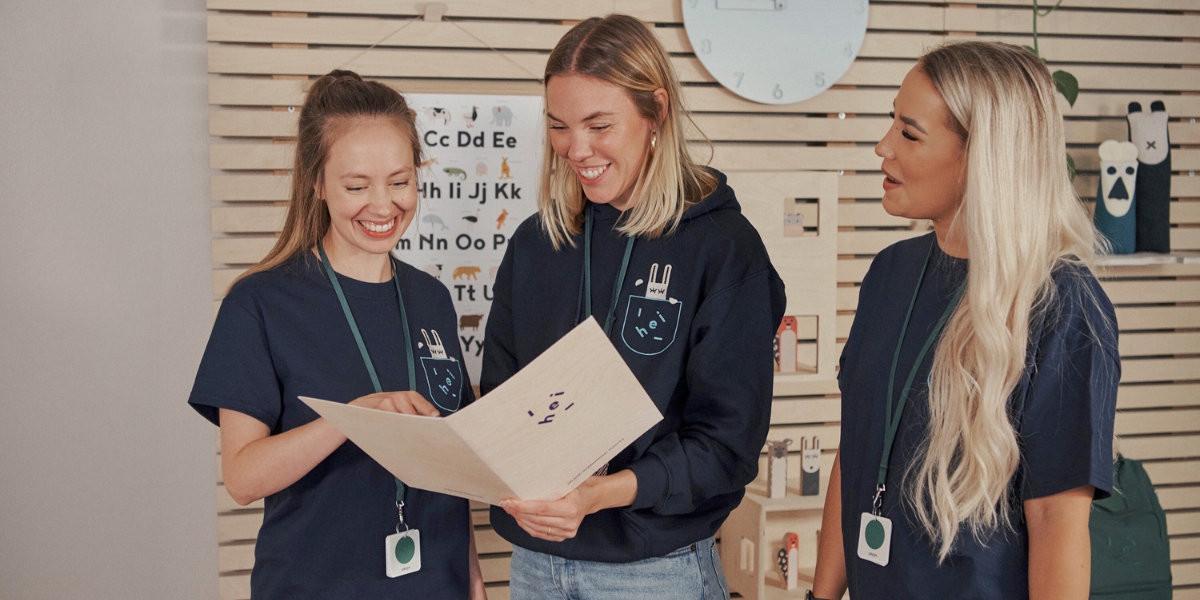 Image of HEI Schools teachers engaged in a professional discussion.
Your teachers are the heart of your kindergarten. Their passion, skill, and well-being directly impact the quality of education you provide. As we approach 2026, investing in your educators will be one of the most critical factors for success. A supportive environment that prioritizes professional development leads to higher teacher satisfaction, lower turnover, and a more engaged and motivated team.
Prioritizing your educators means providing them with the tools and training they need to excel. This includes:
- Continuous Professional Development: Offer ongoing training opportunities that cover the latest in early childhood education, from new play-based techniques to integrating technology in the classroom.
- Access to Quality Resources: Equip your teachers with a rich, well-researched curriculum and customizable materials. When teachers feel confident in the resources they have, they can focus on what they do best: connecting with and teaching children.
- A Collaborative Culture: Foster an environment where teachers can share ideas, support one another, and collaborate on lesson planning. This sense of community is vital for professional growth and personal well-being.
When you empower your educators, you create a ripple effect that benefits everyone. Teachers feel valued, students receive a higher quality of education, and parents feel confident that their children are in the best possible hands.
Interested in teacher training and programs?
Discover more at: https://www.heischools.com/for-teachers
Cultivate strong parent-school partnerships
 Photo of an HEI Schools teacher and parent collaborating in a meaningful discussion about the child’s development.
By 2026, parents are likely to seek greater involvement in their children's education; they will want to be active partners. Building strong, trusting relationships with families is no longer a "nice-to-have"—it is a fundamental component of a successful kindergarten. Open communication and genuine collaboration create a supportive network around each child, ensuring a consistent and nurturing experience between home and school.
To foster these partnerships, consider implementing strategies that encourage regular and meaningful engagement:
- Transparent Communication: Use multiple channels—like a parent portal, regular newsletters, and social media updates—to keep families informed about classroom activities, curriculum themes, and their child's progress. Make sure communication is clear, simple, and accessible, especially for families from different linguistic backgrounds.
- Involve Parents in Learning: Create opportunities for parents to participate in school life. This could include inviting them to volunteer for special events, share their cultural traditions, or participate in family-focused workshops.
- Gather and Act on Feedback: Show parents that their opinions matter. Regularly ask for their feedback through surveys or informal conversations and demonstrate that you are listening by making visible changes based on their suggestions.
When parents feel seen, heard, and valued, they become your school's greatest advocates. Their positive experiences and word-of-mouth recommendations are invaluable for attracting new families and building a strong community reputation.
Building the future today
Launching a successful international kindergarten in 2026 goes beyond simply providing a nurturing environment. It requires crafting a comprehensive, holistic educational experience. By implementing a global, play-based curriculum, empowering teachers, fostering meaningful partnerships with parents, you can create a meaningful and life-changing learning space where every child has the opportunity to flourish.
These elements work together to build a strong, resilient, and reputable school that will attract families and retain talented educators for years to come. The journey requires vision and heart, but the reward—seeing children grow into confident, curious, and compassionate global citizens—is immeasurable.
Explore more with our educational solutions for your success in 2026
At HEI Schools, we offer a comprehensive range of solutions to support your success, whether you’re building a preschool from the ground up or upgrading the curriculum at your existing school. As highlighted in our recent article, we focus on key elements essential for thriving in 2026: an internationally acclaimed play-based curriculum, expert-led teacher training and development programs, and tools to foster collaboration between parents and schools. Explore our solutions page to discover how we can help you achieve your goals or simply reach out to us to talk with our experts!
.png?width=352&name=HEI%20Schools%20Expands%20to%20Myanmar%20with%20Launch%20of%20HEI%20Schools%20Yangon%20(1).png)
.png?width=352&name=HEI%20Schools%20expands%20into%20the%20UAE%20(1600x600%20px).png)