
What a one-school, two-pathway inclusive preschool really looks like
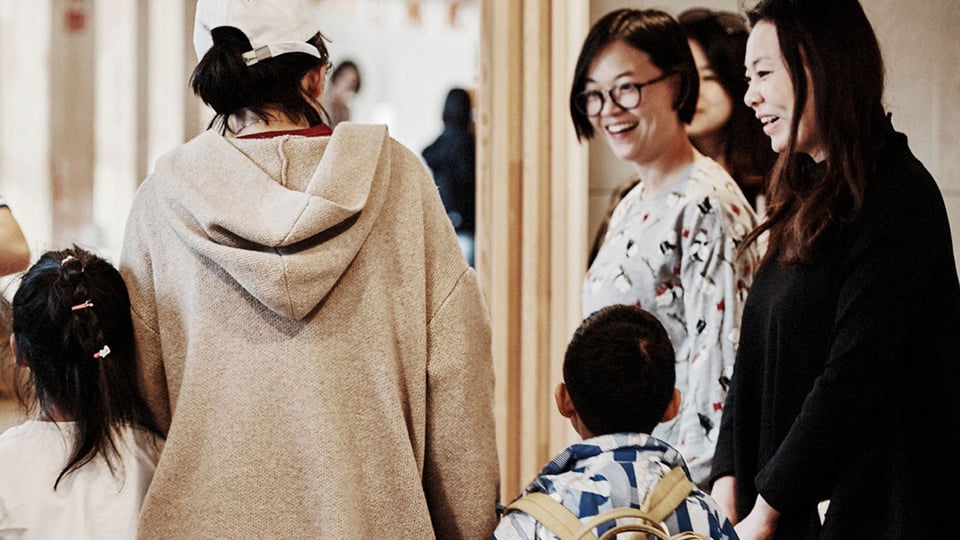
A dual-pathway inclusive HEI Schools preschool model allows one school to serve diverse learners, also those with special needs, and provide benefits to all students. Within a single preschool, children join either the mainstream HEI pathway or the HEI Bridges structured support pathway, move flexibly as they develop, and share the same HEI Schools community. This setting delivers benefits to all children, the ones attending the mainstream program learning empathy and diversity being normalized, and the ones attending the structured support program getting holistic support while being included in a social preschool environment.
 In practice, this means operating one preschool with two clearly defined programmes. In the HEI + HEI Bridges concept, around 70% of children attend the HEI Programme, while roughly 30% join HEI Bridges, a specialised pathway for learners needing additional developmental support. Both groups share common spaces and the same educational philosophy, but classroom structures, staffing and support levels are tailored.
For school owners, the key shift is in the mindset. Instead of saying “yes” or “no” to a child based on a single classroom profile, the school creates internal routes that match different developmental needs. This design change allows you to keep families who might otherwise leave your pipeline.
Research from the OECD shows that inclusive early childhood settings can reduce later educational inequalities when support is embedded in everyday learning (OECD). A dual-pathway model operationalises this insight inside a single school.
 Are you curious to witness an inclusive preschool model in action? Dive into the case study of HEI Schools Singapore Bishan to learn more about their unique approach.
Why inclusive early education is a growth opportunity, not a risk
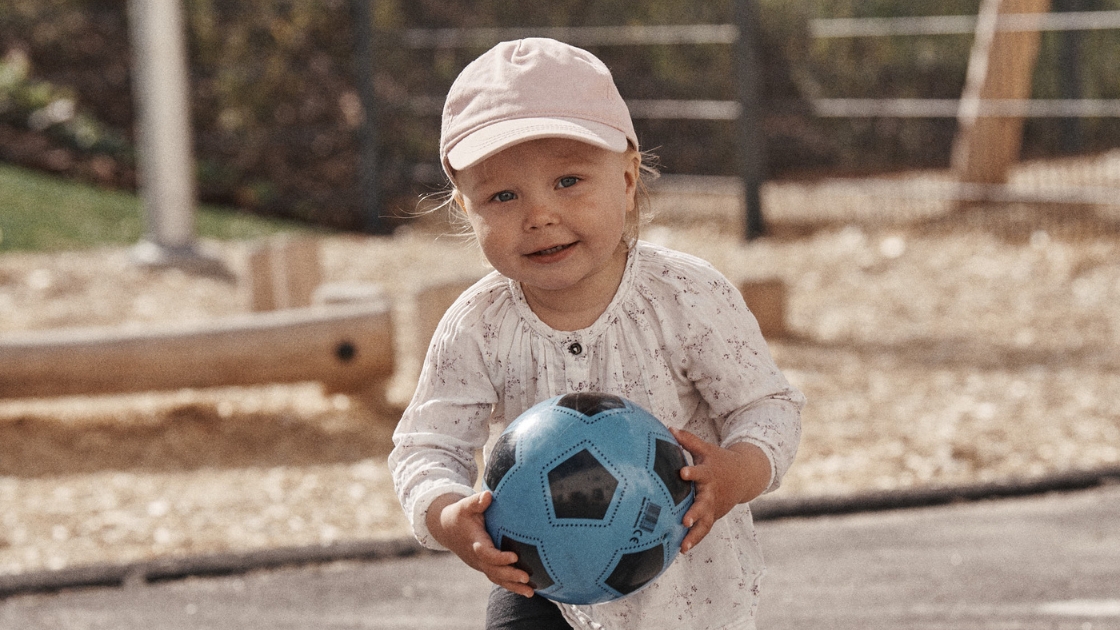
Many school owners feel the gap between demand and capability. Families arrive with children who do not thrive in typical classrooms, yet do not require a fully specialised school. When you cannot offer the right environment, you refer them elsewhere — and you also lose future referrals, alumni value and community trust.
Global data underlines this unmet demand. The OECD notes that early childhood centres increasingly serve children with special education needs, different first languages and varied socio-economic backgrounds, and that inclusive practices are critical to equity in education (OECD policy brief). In many markets, this diversity is rising faster than traditional school models can adapt.
The HEI + HEI Bridges concept treats inclusion as both a mission and a strategic growth lever. By serving children who sit between mainstream and specialised provision, the school accesses a largely underserved market. Practically, this means fewer lost applications, stronger word-of-mouth in parent communities, and an enrolment base that is less vulnerable to small demographic shifts.
From a risk perspective, the model spreads reliance across a wider range of learner profiles. Instead, the school becomes a long-term partner for many different developmental journeys that are part of modern education landscape.
Inside the HEI Program: A strong foundation for every preschooler
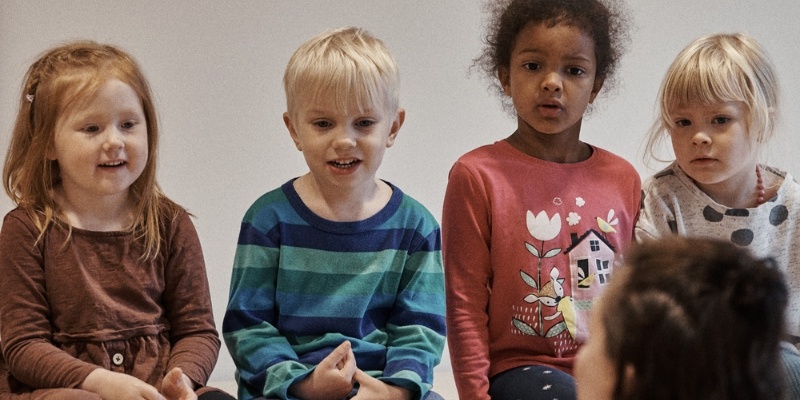
The HEI Programme is the mainstream pathway within the dual model. It offers play-based, curiosity-driven learning grounded in Finnish early childhood pedagogy developed with the University of Helsinki. The focus is on wellbeing, holistic development and building confident, capable learners rather than accelerating academic content.
 Children in the HEI Programme experience structured days with plenty of room for exploration: hands-on projects, outdoor play, creative arts and language-rich interactions. Educators design environments that feel safe and predictable, so children can take risks in their learning. Emotional safety is treated as a prerequisite for progress in literacy, numeracy and problem-solving.
For school owners, this pathway anchors the brand. It is the visible, premium preschool experience that appeals broadly to families seeking high-quality early education. Because the HEI Programme and HEI Bridges share the same philosophy and core curriculum, your school retains a coherent identity even as it supports diverse learners.
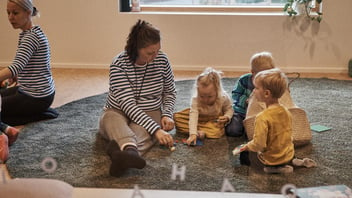
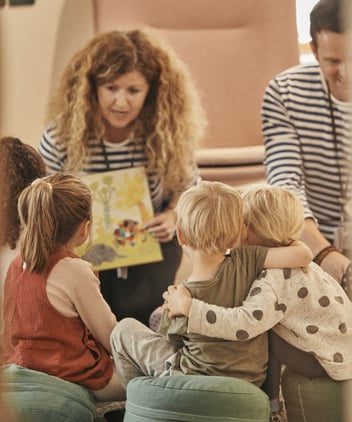
An example from HEI Schools Singapore Bishan illustrates this in action. Children in the HEI Programme follow a research-based curriculum with thematic units and play-based projects, while also sharing common spaces with HEI Bridges learners. The result is a natural culture of empathy and peer learning without compromising structure or quality for any group.
Inside the HEI Bridges Programme: Structured support within real preschool life
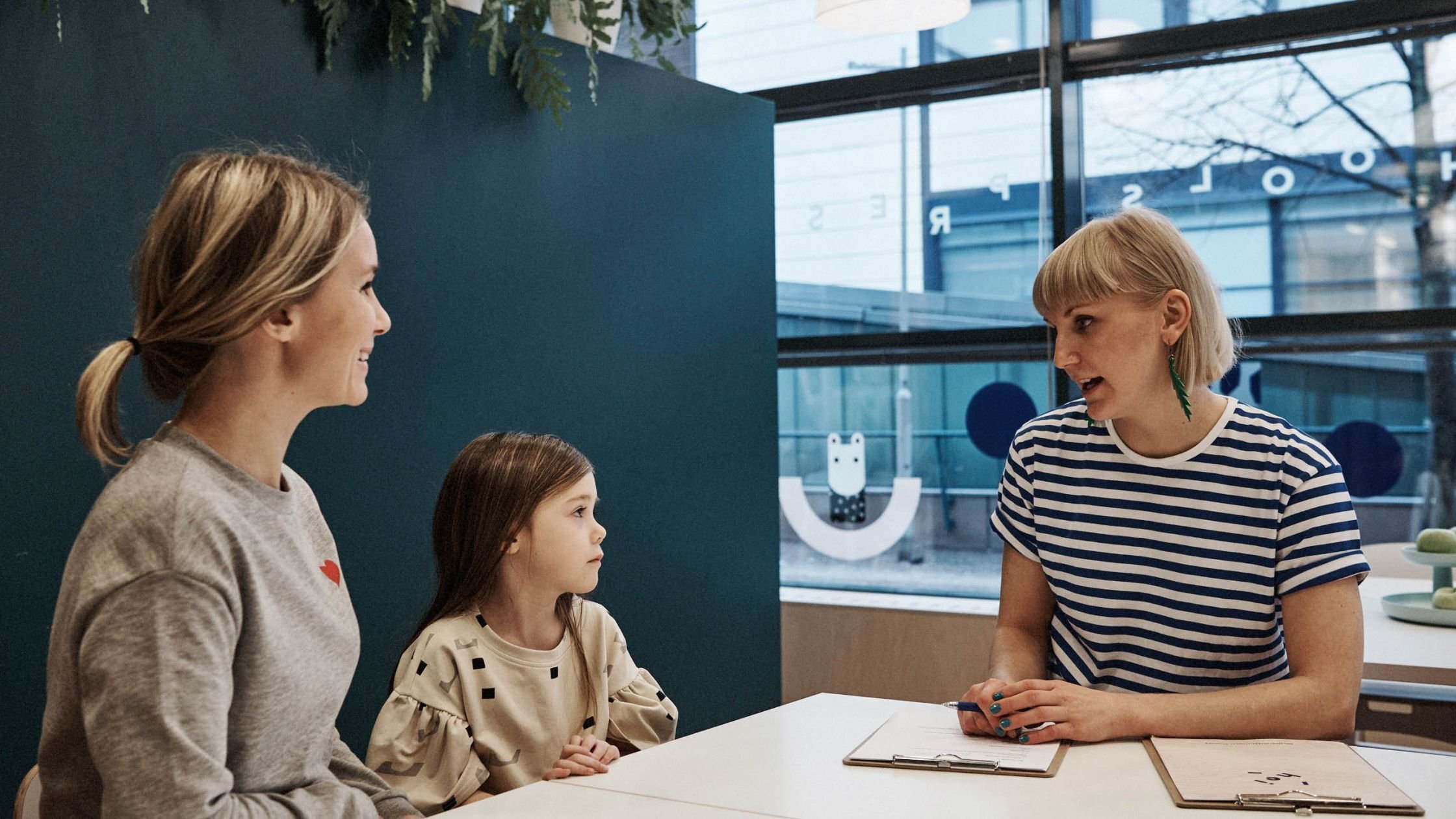
The HEI Bridges Programme is a specialised bridging pathway for children aged roughly 3–6 who need additional developmental support before primary school. These may be children with autism spectrum conditions, attention and executive functioning challenges, speech and language delays, or general developmental differences.
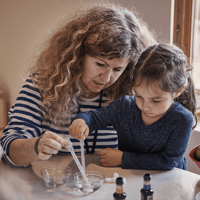 Classrooms are small by design, with a recommended teacher–child ratio of about 1:3 and a maximum group size of 6–8 children. This allows educators to offer individual attention, observe subtle changes in regulation or engagement, and adjust activities quickly. Learning environments are carefully planned for sensory comfort, emotional safety and independence.
Each child receives a Personalised Development Plan, co-created by educators, specialists and families. Goals cover areas such as social communication, emotional regulation, early literacy and numeracy, motor skills and daily living skills. Progress is tracked through clear targets, observations and data, with a target of around 75% of individual goals being met to demonstrate meaningful development.
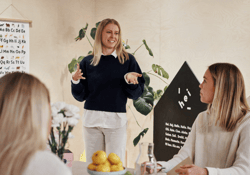 Specialists — such as speech and language therapists, occupational therapists and behavioural or developmental specialists — collaborate directly with classroom teams. Support strategies are integrated into everyday routines rather than delivered only in pull-out sessions. This way, children experience a genuine preschool day, with friends, routines and play, while still receiving structured intervention.
Operational essentials: Ratios, staff, spaces and specialist collaboration
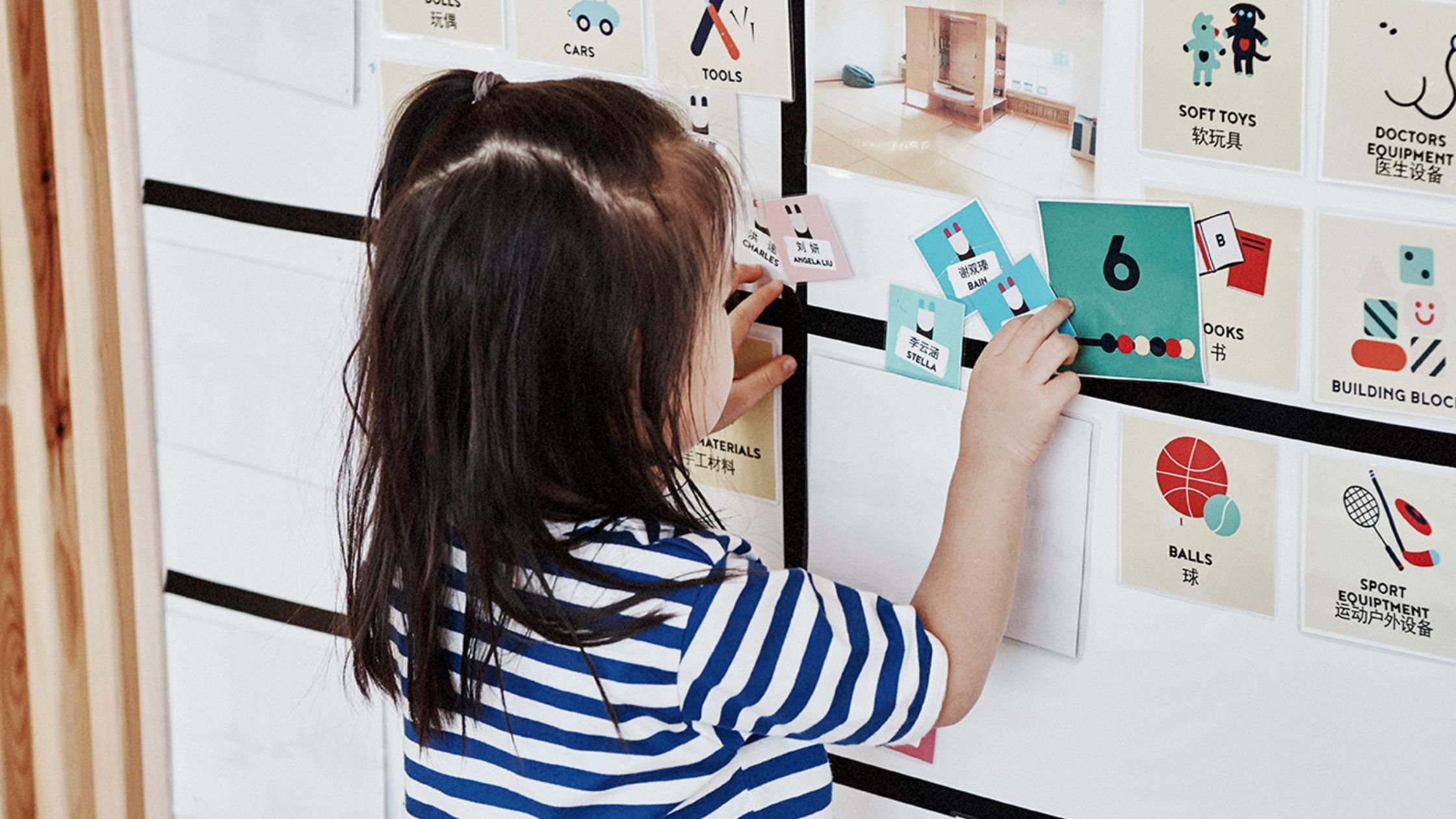
Implementing a dual-pathway model requires deliberate operational planning. The goal is to embed support into your existing school structure rather than bolt it on as an afterthought. Four areas are especially important: ratios, staff qualifications, space and collaboration.
-
Ratios in HEI Bridges are intentionally low. A typical configuration is 1:3 teacher–child ratio in a classroom of 6–8 children.
-
Only mandatory additional space is an occupational therapy sensory gym that supports sensory regulation and motor development. These parameters ensure children have room to move, regulate and participate without over-stimulation.
-
Staff qualifications need to balance expertise and practicality. Educators may hold training in special education, early childhood education or psychology, combined with work experience in inclusive or specialised settings.
-
Collaboration structures are the backbone that makes the model sustainable. Regular multi-disciplinary meetings between teachers, therapists and leadership align goals, review progress and adjust plans. Clear documentation practices, like Individual Learning Plans and Positive Behaviour Support Plans, create continuity even when there are changes in staff.
Strategic benefits for school owners: Retention, reputation and long-term value
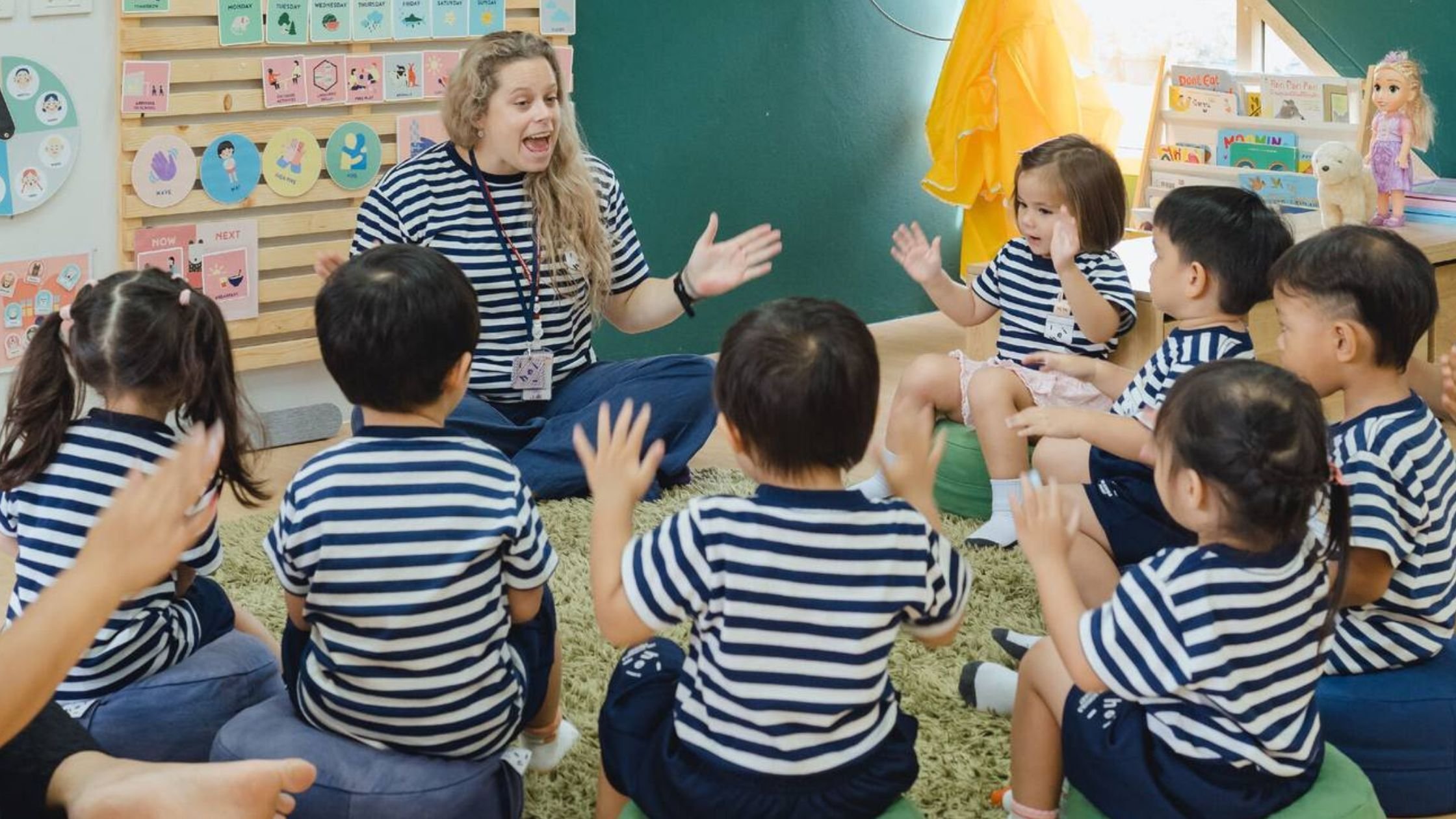
For school owners, the decision to adopt a dual-pathway inclusive model is both values-driven and commercially sound. The most immediate benefit is retention: instead of losing families when a child’s needs become more complex, you can offer an internal pathway with the right support.
Over time, this strengthens your reputation. Families talk about how the school responded when learning did not follow a straight line. Stories of flexible transitions between the HEI Programme and HEI Bridges, or of children who gained independence and confidence, become powerful signals in a competitive market.
Financially, this model can increase lifetime value per family. When children can remain within the same school community through varying levels of support, enrolment durations extend and siblings are more likely to join. At the same time, the school develops a distinctive positioning as a premium, inclusive preschool rather than just another childcare provider.
Across HEI Schools campuses worldwide, inclusive models also create professional growth pathways for educators. Working alongside specialists builds internal capability, reduces reliance on external services and contributes to higher job satisfaction. That stability in your teaching team is itself a strategic asset for long-term sustainability.
 Are you interested in seeing this concept implemented at your school? If so, feel free to book a free consultation chat with us or learn more about the HEI + HEI Bridges concept on this page.