

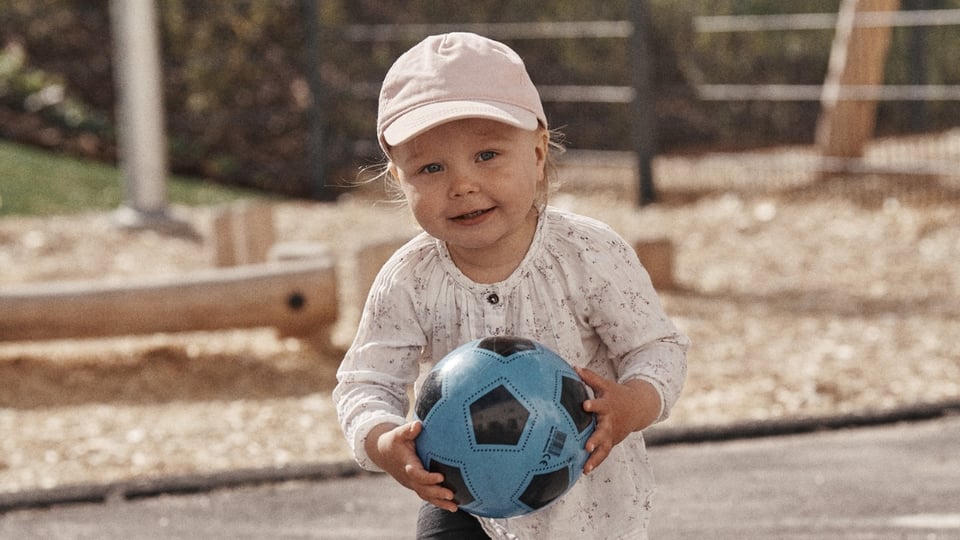
You may have heard the phrase “the magical 7 years” in parenting conversations, early education communities, and child development discussions. It has become something of a buzzword — not because it is a trend, but because it reflects a powerful truth: the first years of life are an extraordinary period of growth, learning, and brain development.
During early childhood, children are not only learning to talk, move, play, and socialize — they are also building the brain’s foundational architecture that will support everything that comes later, from emotional wellbeing to academic success and creativity.
That is why the “magical 7 years” matter so deeply to both parents and educators: what children experience during this window helps shape the trajectory of their lifelong development.
The science behind this concept offers an important reminder: Early childhood education is not just preparation for the future — it helps build the future.
The First Years: A Critical Window of Opportunity
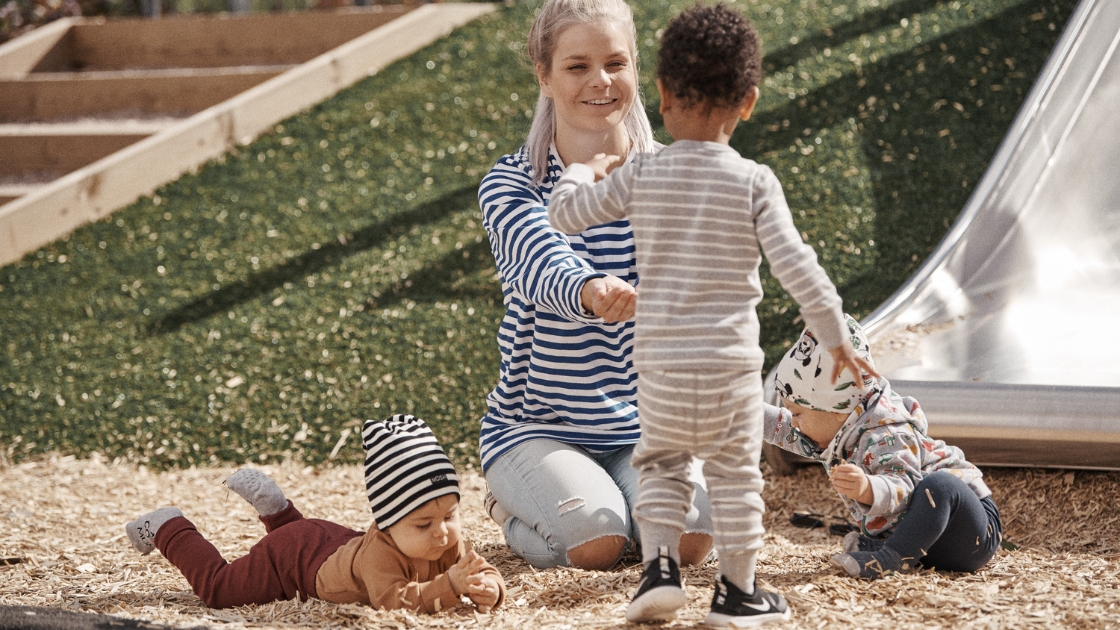
Early childhood is a period of extraordinary brain growth. The brain develops rapidly from before birth, forming the basic structures and connections that influence later learning, behavior, and health.
In fact, neuroscience shows that in the earliest years of life, more than 1 million new neural connections are formed every second. This means early education is not simply about “school readiness” — it is a high-impact developmental stage that helps shape the brain itself.
As UNICEF emphasizes, early childhood offers a critical window of opportunity to build a strong foundation for a child’s future potential.
Nature Provides the Blueprint — Experience Builds the Brain
Children are born with billions of neurons, but the way those neurons connect depends strongly on early experience. Harvard’s Center on the Developing Child explains that early experiences shape brain architecture, providing the foundation for future learning, behavior, and health.
In other words, brain development is not automatic — it is built through relationships, interaction, play, language exposure, and daily caregiving environments. What happens in the magical 7 years is not just remembered — it becomes part of the brain’s structure.
Why Relationships Matter More Than Any Curriculum
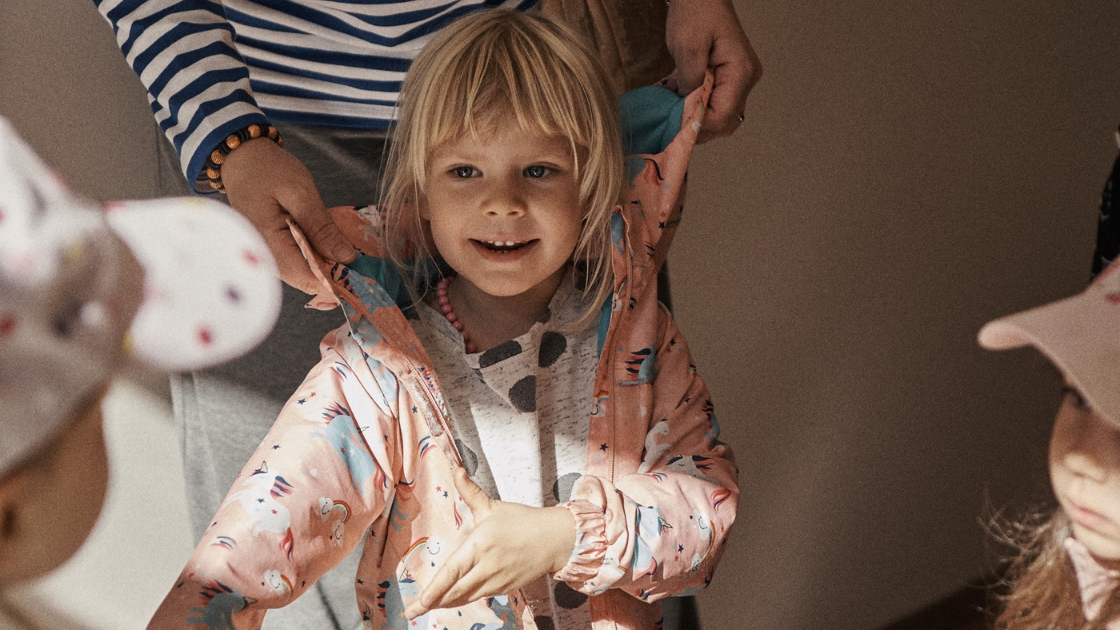
One of the strongest findings in developmental science is clear: Relationships are central to brain development. Harvard describes responsive adult-child interaction — often called “serve and return” — as a key mechanism through which healthy brain circuits are formed.
Similarly, the UK Trauma Council highlights that caregivers support healthy development by guiding exploration, providing stimulation, and encouraging play.
All this means that warm, consistent relationships are not “soft values” — they are part of the brain-building infrastructure of learning.
Early Experiences Shape Social-Emotional Skills
The magical 7 years lay the groundwork not only for academic learning, but also for essential life skills such as:
-
Emotional regulation
-
Social connection
-
Confidence
-
Curiosity
-
Creativity
-
Resilience
These foundational skills are deeply connected to early brain development and are shaped through everyday experiences and supportive environments. Harvard’s research confirms that emotional and cognitive development are intertwined, and that early support has maximum long-term impact.
What This Means in a Bigger Scale
The brain science carries a powerful implication: The quality of early childhood education shapes lifelong outcomes.
UNICEF notes that children need not only early learning opportunities, but also responsive caregiving, safety, nutrition, and stimulation to nourish developing brains. This is why investing in high-quality early childhood programs is one of the most strategic decisions a parent can make.
Creating Brain-Friendly Learning Environments: What Matters Most
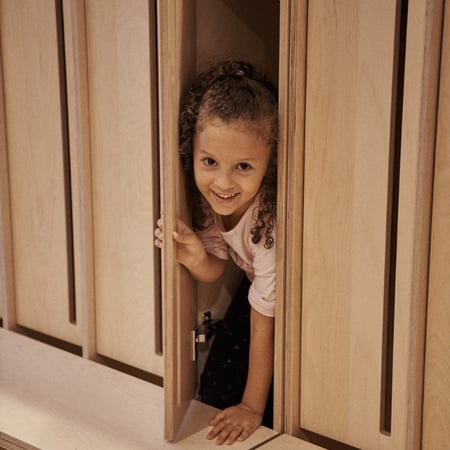
Developmental science consistently points to key priorities for early childhood schools:
✅ Safe, nurturing relationships
✅ Play-based exploration
✅ Rich language exposure through stories and conversation
✅ Emotional support and positive guidance
✅ Environments that invite curiosity
✅ Strong partnerships with families
These experiences help build strong neural circuits and healthy developmental foundations.
Do you know? At HEI Schools, we support whole-child development in the magical 7 years. Our approach is grounded in Nordic values and evidence-based early education practice.
We believe the early years are not simply the start of schooling — they are the stage where children develop core lifelong capacities:
-
-
-
-
-
Learning to think
-
Learning to connect
-
Learning to create
-
Learning to belong
-
-
-
-
Final Thought: The Future Starts in Early Childhood
The science behind the magical 7 years reminds us of a powerful truth: What children experience today shapes who they become tomorrow.
The magical 7 years are not magical only because children grow so fast…They are magical because they lay the foundation for everything that follows.

Want to Learn More About HEI Schools?
If you are exploring how to build a high-quality early education model rooted in research, play, and holistic development, explore the HEI Schools in your region by visiting our Locations page.

References
-
Harvard University – Center on the Developing Child
Brain Architecture: The Foundation of Lifelong Health and Learning
https://developingchild.harvard.edu/key-concept/brain-architecture/ -
ZERO TO THREE
Early Brain Development and Neural Connections
https://www.zerotothree.org/resource/early-brain-development/ -
UNICEF – Early Childhood Development
The Critical Window for Lifelong Potential
https://www.unicef.org/early-childhood-development -
UK Trauma Council
Early Childhood and the Developing Brain
https://uktraumacouncil.org/resource/early-childhood-and-the-developing-brain
.jpg?width=352&name=Effective%20English%20Learning%20for%20Preschoolers%20Is%20Method%20More%20Important%20Than%20Time%20(1).jpg)